
Optical Tactile Sensing: Image-Based and Geometry-Encoded Approaches
Optical tactile sensors use light to measure a mechanical contact response. What they read out and how they interpret it can differ substantially.
Normal loading, tangential loading and sliding are related, but they are different physical quantities and contact behaviours.
University of Sheffield proof-of-concept testing shows KiriSense’s optical kirigami architecture producing distinct responses to normal and shear loading.
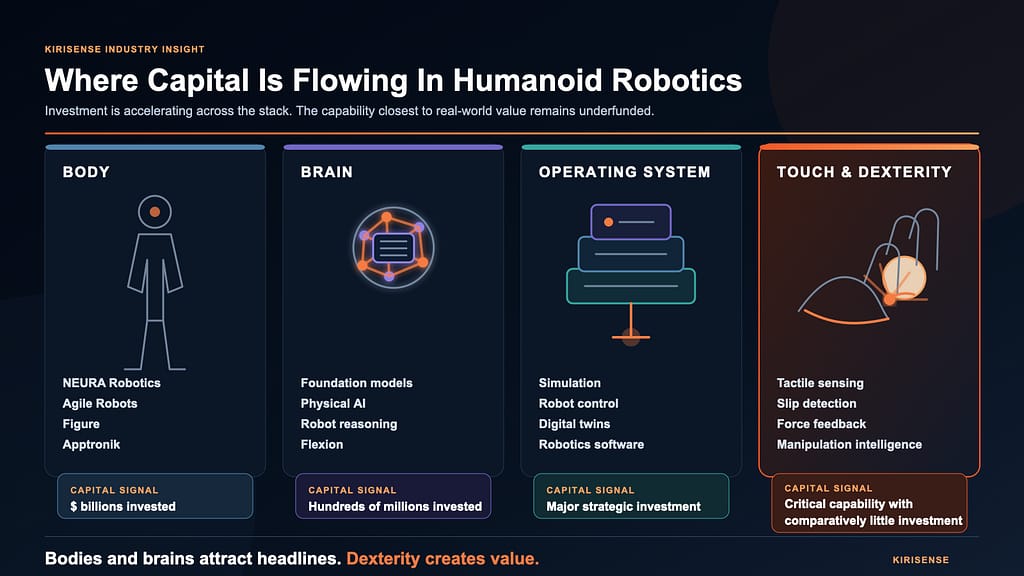
Humanoid robotics is attracting unprecedented investment. Discover why tactile sensing, dexterity and touch may become the critical technologies behind the next generation of robots.
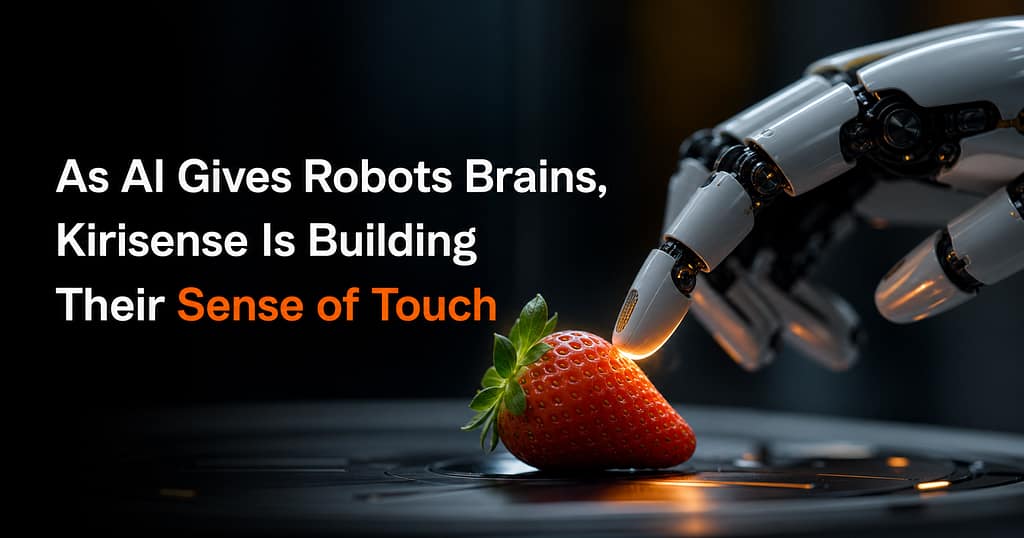
Kirisense has secured funding from the Henry Royce Institute to develop next-generation tactile sensing technology that will enable robots to detect force, slip and touch in real time.
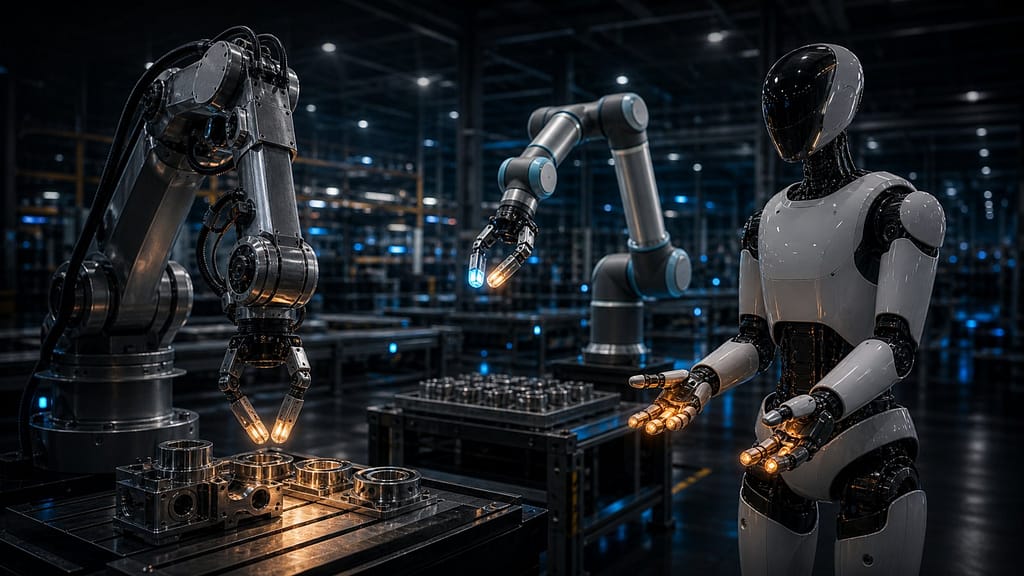
Tactile sensing can support safer robotic manipulation by helping robots detect contact, control force and respond to unexpected interaction.
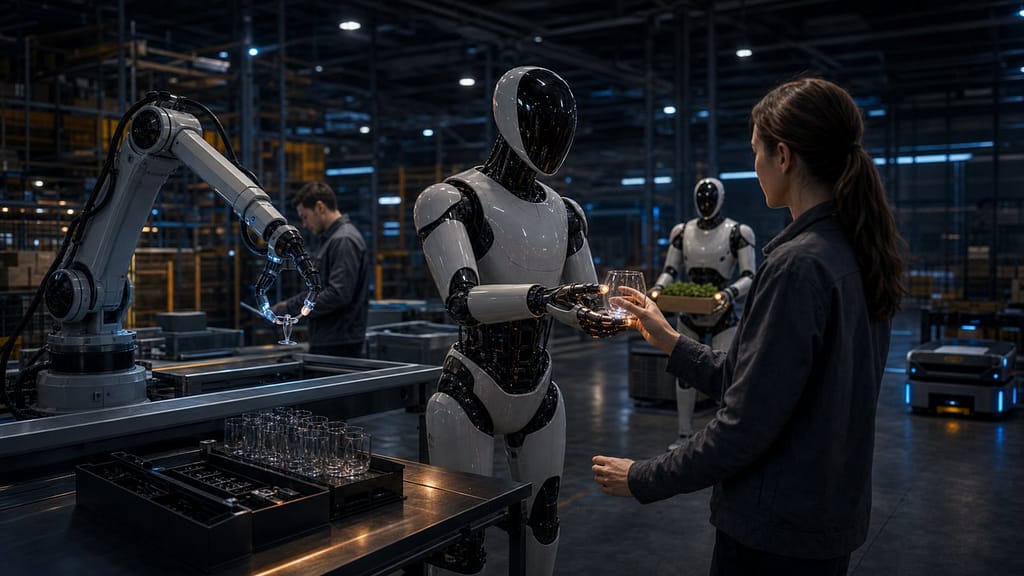
Humanoid robots will need tactile intelligence to move beyond mobility demonstrations and perform useful manipulation in human environments.

Robots are improving rapidly in vision, mobility and AI, but tactile sensing is becoming essential for reliable real-world manipulation.